
Journal
The Summer Everything Changed
This chapter traces the 2011 social protest, the Levinsky Garden protest songs, and the realization that music could hold a public space where force and politics failed.
The Summer Everything Changed
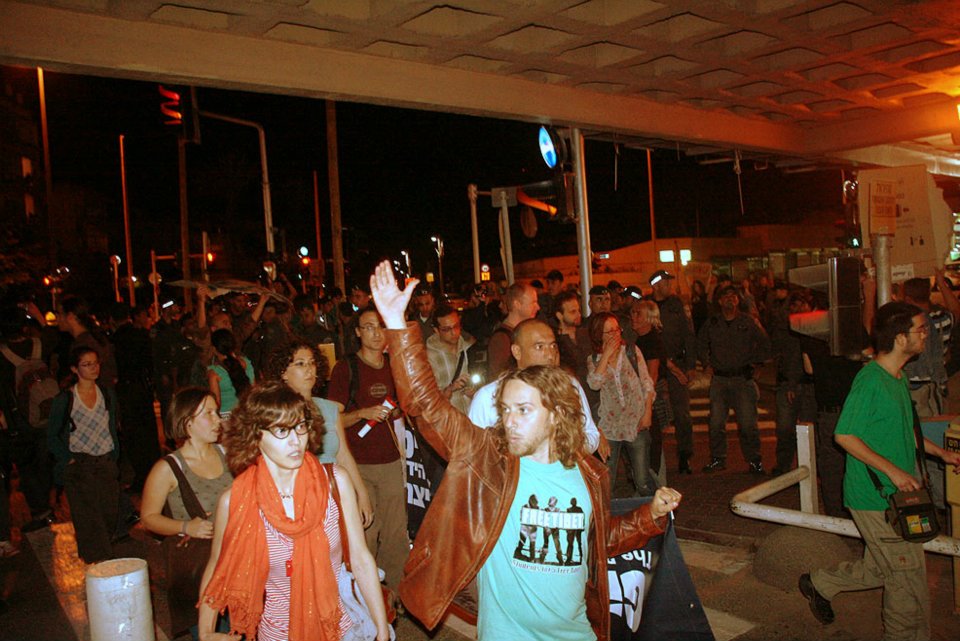
In the summer of 2011, Israel erupted. What began with a few tents on Rothschild Boulevard became the largest social protest the country had seen in decades. I was there from the beginning, and somehow found myself becoming one of the official representatives of the Rothschild tent camp.
During those weeks, the camp became a pilgrimage site for journalists. Reporters arrived on the boulevard, sat with us between the tents, and asked what we were actually trying to change here. That is how I found myself being interviewed again and again — by Globes, Ynet, and other journalists covering the protest.
At the same time we were also holding discussions with the Tel Aviv municipality, trying to find solutions for people who had begun living in the camp.
When the city started clearing the tents, some activists continued accompanying the homeless people who were suddenly left without anywhere to go. That is how what the media later called the “Wandering Rothschild Camp” was born — a group of about thirty homeless people and a handful of activists who slept in a different place in the city every night.
I kept telling reporters that the struggle would continue — with tents or without them.
But the moment that truly changed my life was not a negotiation or a press conference.
The Sukkah at Levinsky
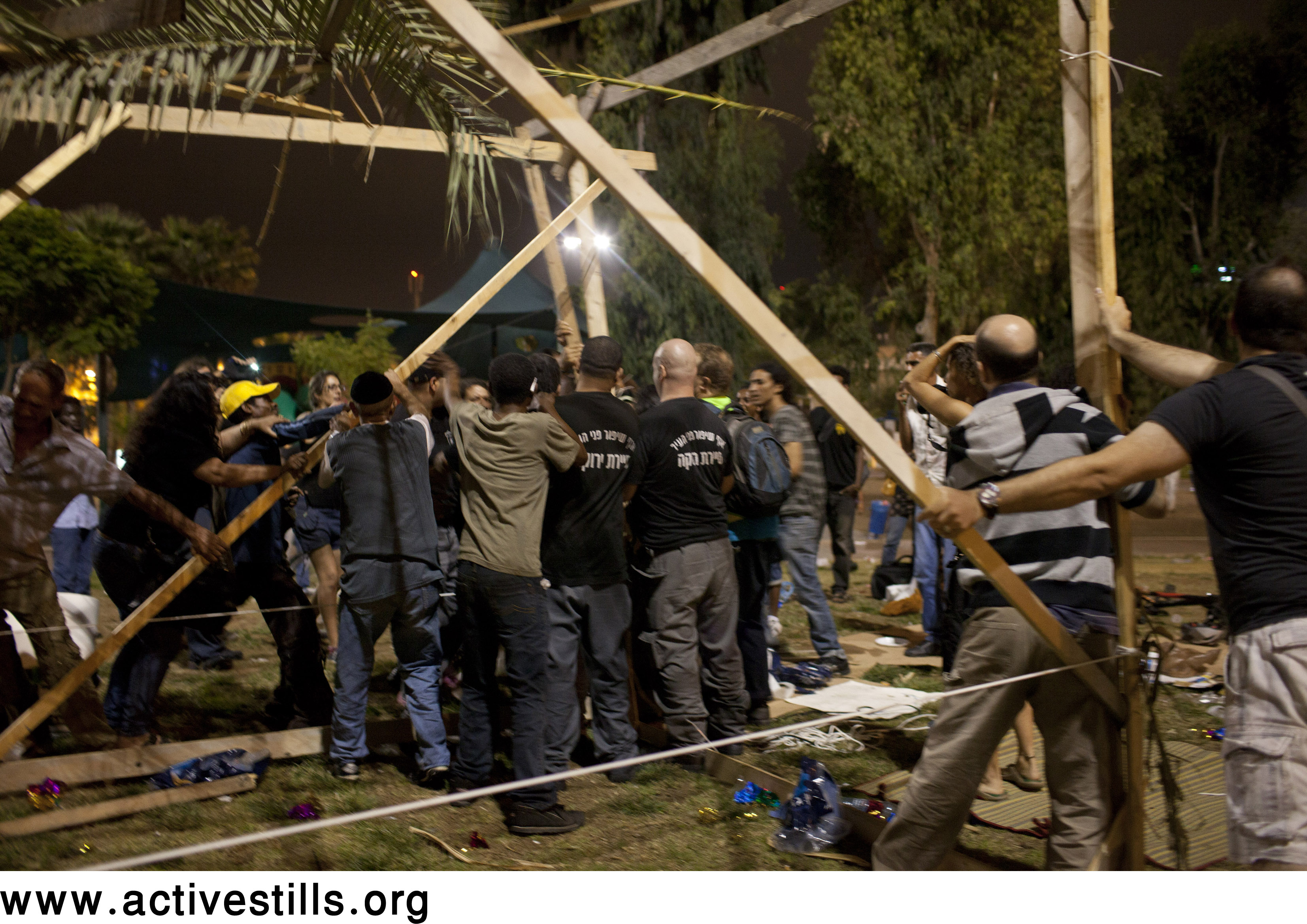
It was Sukkot, October 2011. We had tried to build sukkot, the traditional holiday shelters, in the public spaces where homeless people were sleeping. The city refused and sent inspectors to tear them down.
I sat down with my guitar in Levinsky Garden and started singing. "פקח פקח סרב פקודה, אל תקח להומלס ת'סוכה" - Inspector, inspector, refuse your orders, do not take the homeless man's sukkah.
A woman approached me. "You know," she said, "hearing you sing right now, it gives me chills."
Then I moved to the sukkah. And one by one, everyone joined the singing. For an hour, we sang it like a mantra. The authorities did not know what to do with us.
For one hour, a guitar held the space.
For one hour, a guitar held the space.
Then someone threw a Molotov cocktail at a police car, and the fragile moment shattered.
Afterward, Kobi Shacar, the leader of the Ethiopian protest group, came to me. He was a reggae singer. He looked at me and said:
"I was so wrong. You, with a guitar, were more powerful than all of us."
We started a band together. Lions of Zion, a reggae band, with me on bass - and my protest song "פקח פקח" took on a new life.
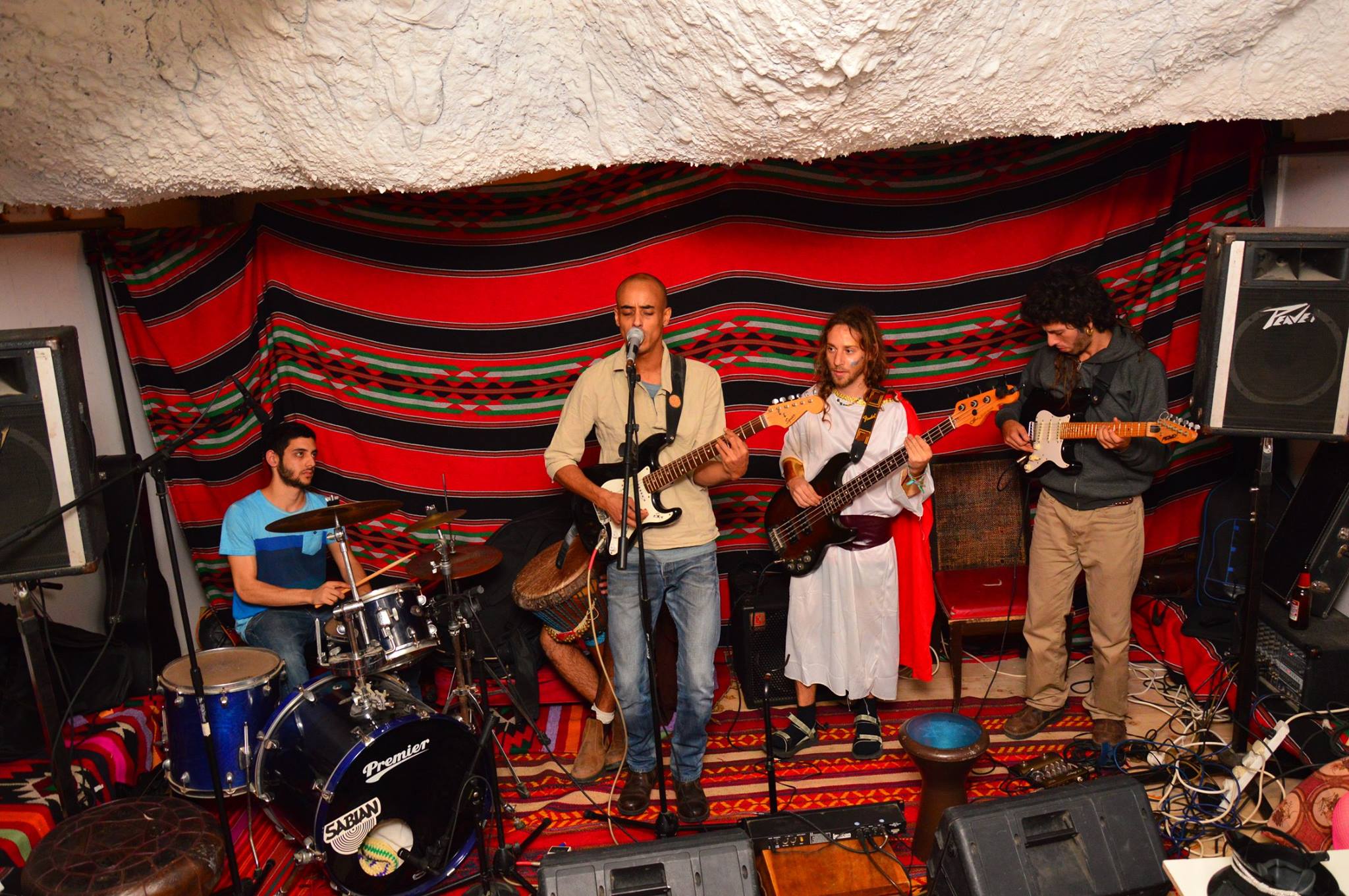
That was the moment I knew. Not that music was a nice thing to have alongside a technological career — but that music was my life. That I was a musician, not a programmer who happened to play on the side.
But understanding that was one thing. Living according to it was something else entirely.
To walk away from a stable life as a computer professional — a career that could have offered real financial security — in order to follow the uncertain path of a musician is a slightly crazy decision.
There are many moments of doubt. Moments when I ask myself whether I made a mistake.
Whether I should have chosen the simpler life.
Building What Does Not Exist
But the activist in me was not finished.
After the tents were cleared, I saw up close what happened to the homeless people left behind. At night, municipal inspectors confiscated blankets and sleeping bags from people sleeping in public gardens.
I also saw entire belongings — clothes, bags, blankets, and mattresses — thrown into a garbage pile at the Reading compound. I arrived there with a truck to rescue mattresses and sleeping bags so people would not freeze during the night.
Something in me — the activist part — refused to accept that this was simply the way things were.
I contacted the Association for Civil Rights in Israel. They filed a petition against the municipality.
The district court ruled that the city was not allowed to evict homeless people from public space or confiscate their sleeping equipment, except in exceptional cases. The decision can be read here.
The ruling triggered a wave of activity on the ground. Activists began organizing civil enforcement of the court decision and accompanying homeless people when inspectors arrived.
The city appealed.
And lost again — this time in the Supreme Court.
That ruling, Administrative Appeal 105/13, became a binding national precedent.
But if I’m completely honest, compared to the big aspirations of the 2011 social protest movement, it felt small. We managed to help a few people. Sometimes even to save someone from spending the night outside with nowhere to sleep. And that’s not a small thing. But against the scale of the problem, it was a drop in the ocean.
Those years also came with a real personal cost. The deep involvement in the struggle, and the daily encounters with so much hardship, pushed me into a long period of confusion and depression. More than one relationship broke under the weight of those years. It took time to step back, clear my head, and understand what I was taking with me from all of it.
That’s when I realized something about myself.
I’m not just someone who protests what is broken.
I try to build what doesn’t yet exist.
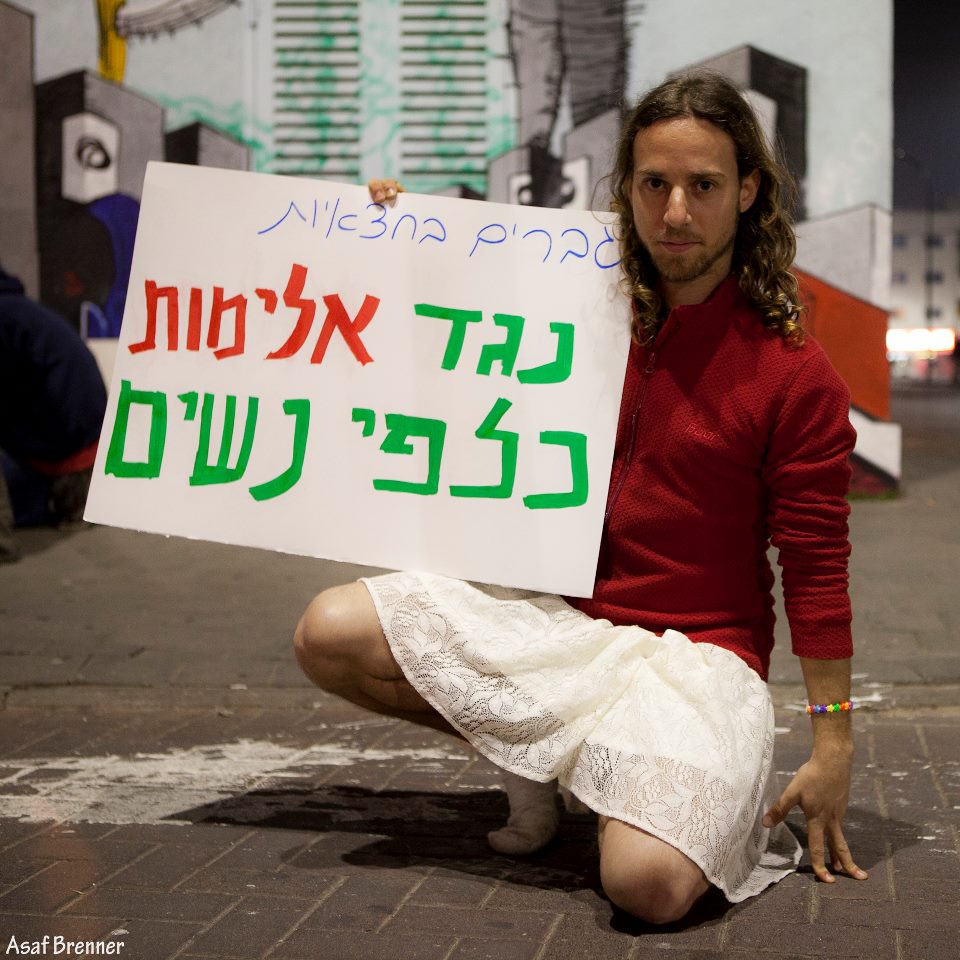
That instinct — to see what is broken and build what is missing — followed me from law into music.
But first, I had to return to something deeper than politics.
Something older.