
Journal
Between Two Worlds (2013–2019)
This chapter connects the technology career, Ottoman Sufi orchestra work, raga study, and Masa, the ensemble where Indian and West African dialogue became a musical language.
Between Two Worlds (2013–2019)
After finishing my Master’s in 2013, my life settled into a specific rhythm. For the next six years, I lived what I can only describe as a half-time life.
On one side, I was a robotics expert and algorithm developer—a career that gave me stability and professional ground to stand on. On the other, I was sinking deeper into the oldest musical traditions of the East. I wasn’t the "struggling artist" stereotype; I had a foot in both worlds. But it was a slow crawl. While many of my peers accelerated down a single lane in the tech world, I was walking two paths at once.
In the mornings, I was in the lab. In the evenings, music became that place of dissolution.
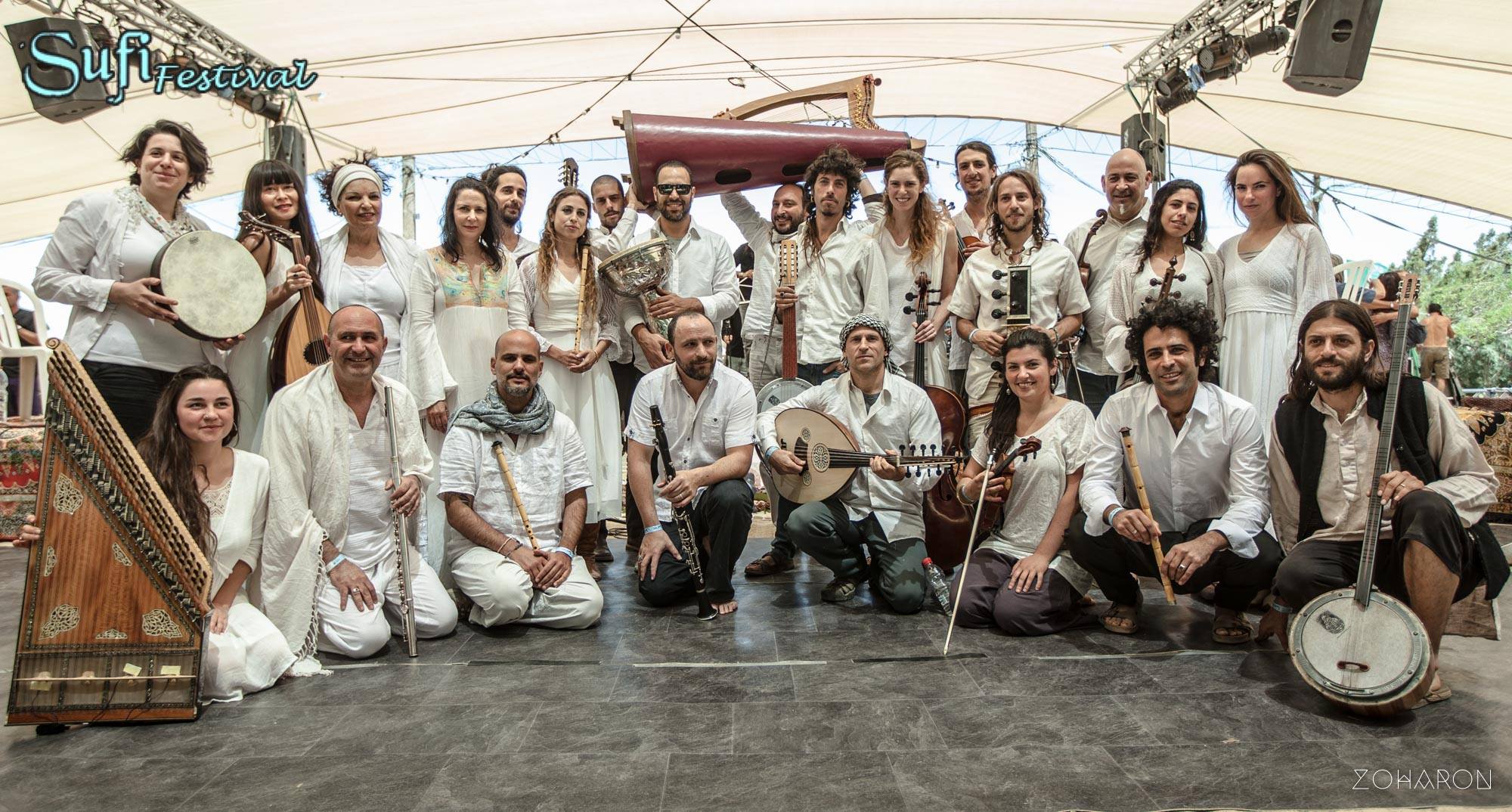
During that time, I joined Harel Shachal Sufi Orchestra, a 32-piece ensemble performing Ottoman Turkish classical and Sufi music. I was the sitar player in an ensemble of ouds, nais, kamanches, and duduks—an Indian instrument inside an Ottoman tradition. Even then, I found myself drawn to the spaces between musical worlds.
The ensemble performed a full one-hour Ein composition—a spiritual journey of dissolution rendered in Maqam Ushak. Thirty-two musicians breathing as one organism.
Meanwhile, I continued deepening my study of the sitar. I found my teacher, David Elkabir, of the Dagar Gharana lineage, one of the oldest and most rigorous schools of North Indian classical music. Under his guidance, I began to understand raga not as a scale but as a living entity—a melodic personality with its own moods, rules, and seasons.
Years later, during the COVID lockdowns, I would take classes directly with Bahauddin Dagar, the guru of my guru—the source of the lineage itself. And somewhere along the way, a rooftop in Tel Aviv became the birthplace of something new.
Masa, Before the Genre Had a Name
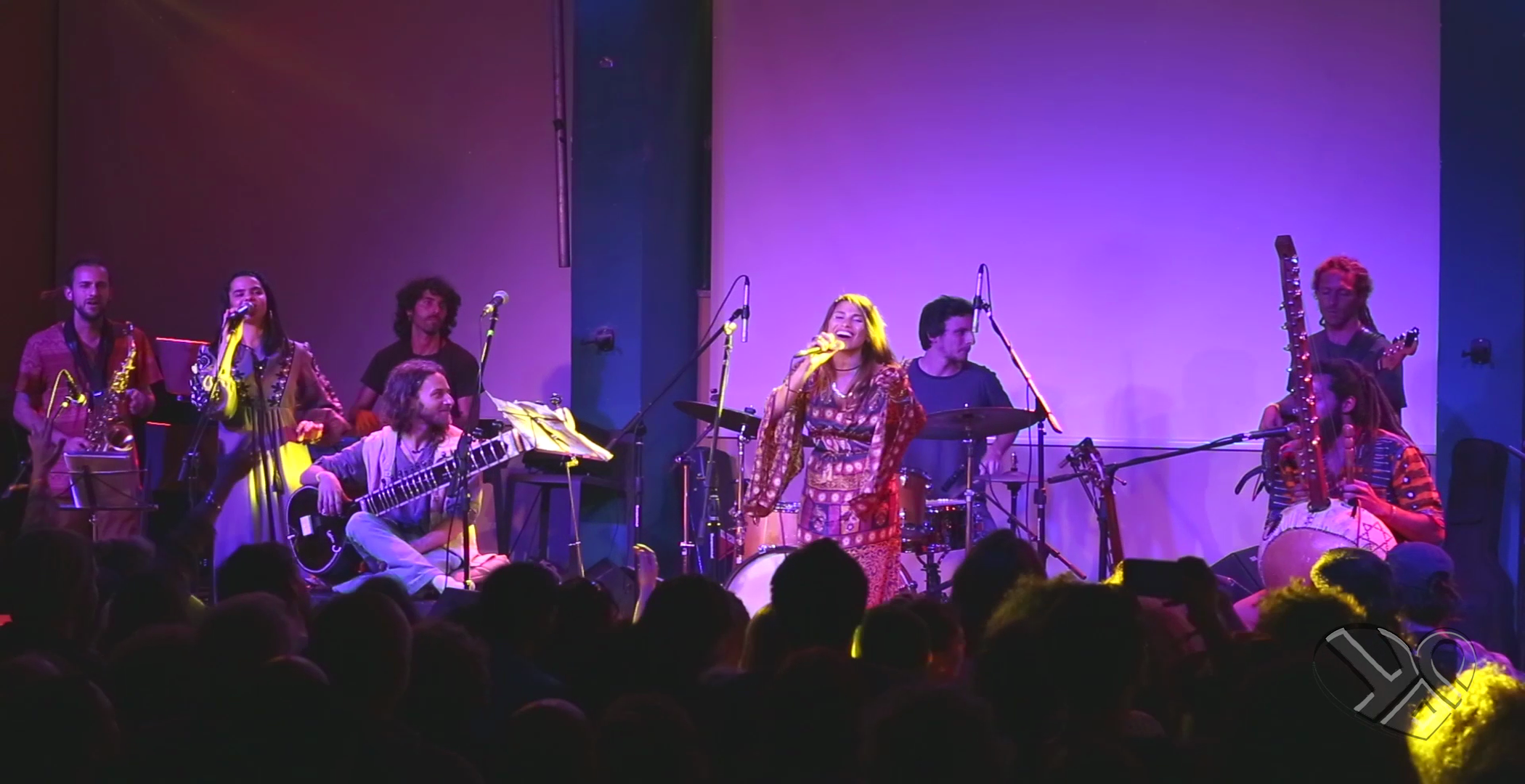
By 2016, those two versions of myself—the one who thought in algorithms and the one who lived in raga—finally collided on a rooftop in Tel Aviv.
Five musicians from completely different worlds started meeting in a small rooftop apartment. There was me on sitar, Tomer Yehieli on kora (the West African harp), Gili Sharabi on vocals, Roni Eder on percussion, and Matan Dorembus on bass.
We called ourselves Masa.
Maariv called us "the most refreshing Indian-African ensemble around, and they come from Tel Aviv." We were blending Indian raga with West African rhythms, Middle Eastern textures, and electronic elements—but we didn’t have a word for what we were doing. Not yet.
It took a few more years, a few more journeys, and a lot more listening before I understood that what I was hearing in the space between the sitar and the kora was not simply fusion. It was a dialogue.
Two ancient string traditions—Indian and West African—that had never truly spoken to each other before, despite centuries of trade and migration connecting them.
Something from that night with the Samburu at Lake Turkana had been waiting.
It clicked.
I called it Afro-Raga.