
Journal
From Protest Songs to the Harmonic Sitar
A personal story of music, activism, India, East Africa, Afro-Raga, and the long path toward the Harmonic Sitar.
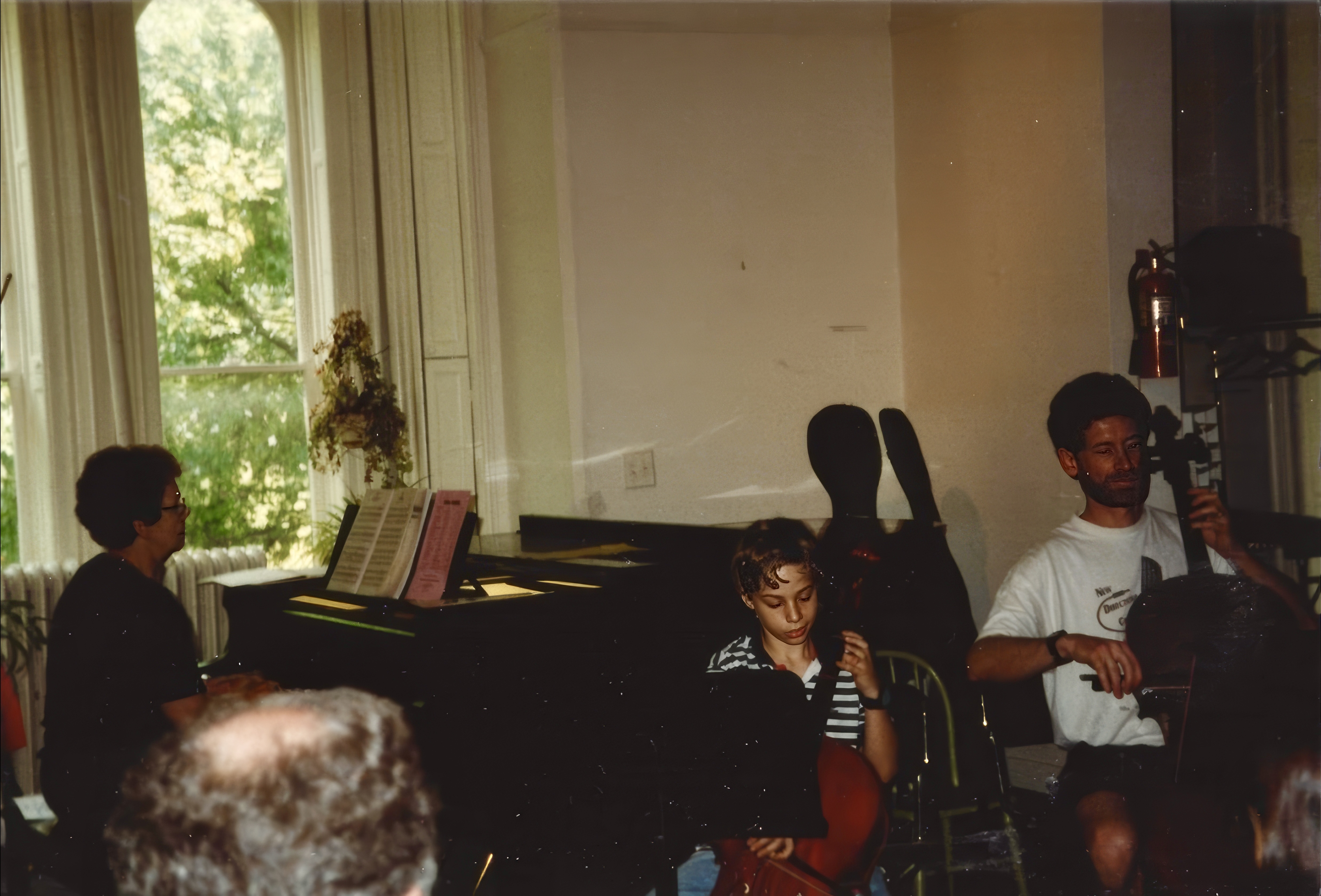
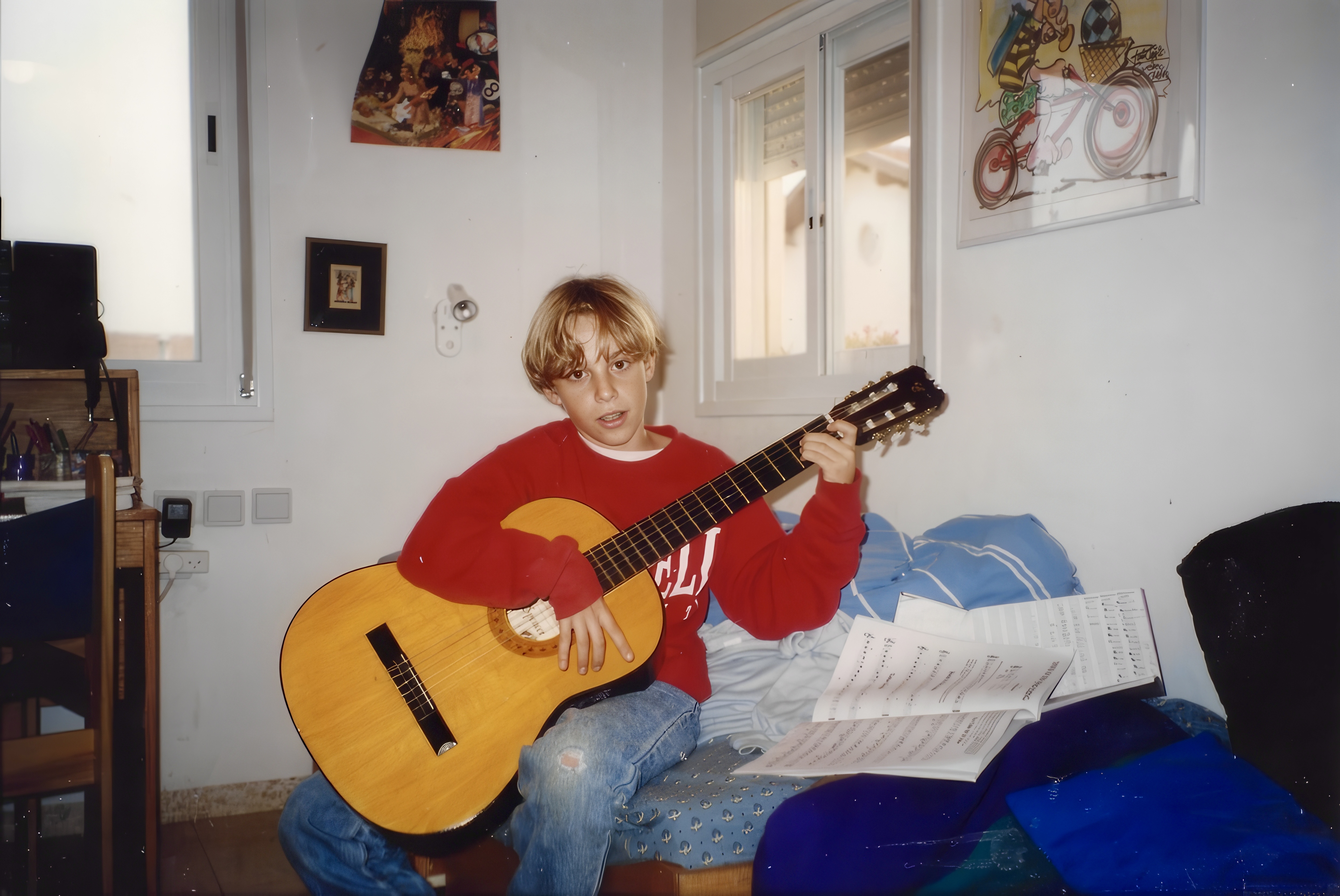
Cello at nine. Guitar at fourteen. The double life started early.
At nine, I played cello. At fourteen, I picked up a guitar and started writing code, both in the same year, and I never stopped doing either. By fifteen, I was programming and playing music with equal obsession, two parallel tracks running through my life that did not seem to have anything to do with each other.
Then, at twenty-one, I went to India. And everything that came after, the protest songs, the Supreme Court case, the new genre, the new instrument, began with what happened there.
Dharamsala
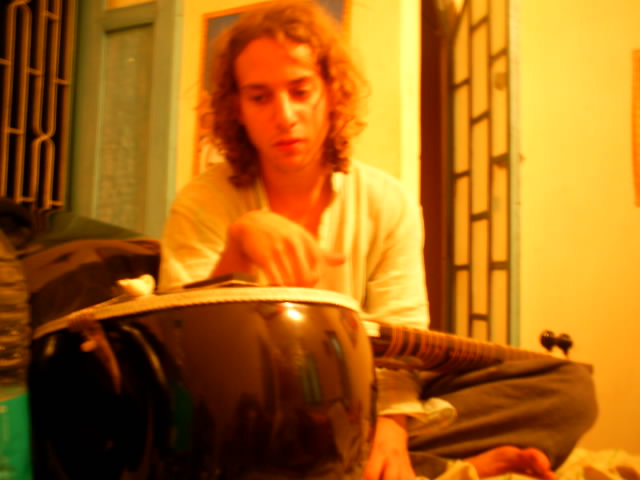
I arrived in Dharamsala in 2006 with nothing but a guitar and curiosity. I took a few classes, tabla, sitar, the way travelers do, sampling everything. But the moment I heard the sitar up close, something locked into place. I just knew. I wanted to play this instrument.
My teacher was Arvind Singh. I was naive. I had no idea how demanding the sitar was, how many years it would take, how deep the tradition ran. In the beginning I could barely produce a clean note. The instrument fought me constantly. But the struggle only made the pull stronger. I certainly did not imagine that this instrument would reshape my entire life. After two months in Dharamsala, I followed Arvind to Varanasi to continue studying, and that is where I got my first sitar.
I came home to Israel with it.
The Double Life Begins
In 2007, I enrolled in mathematics and computer science at Ben-Gurion University. On paper, I was becoming an engineer. In reality, I was already living between two worlds that did not quite fit together. I arrived at BGU already changed. I had a sitar, a new musical obsession, and the memory of India pulling at me constantly.
At BGU, while my classmates were debugging code, I was rehearsing with Ensemble El Matruz, an Arab Israeli band, playing sitar alongside Arab instruments. The quarter tones, the modal systems, the way a melody could spiral around a single emotional center for minutes without resolution, it felt like a continuation of what I had begun in India, translated into a Middle Eastern language.
During one summer break, I went back to Dharamsala, this time to volunteer at a Tibetan refugee camp, and to continue my sitar studies. India kept calling. I kept answering. But I also kept returning to the algorithms.
I did not know it yet, but I was tracing a path eastward, from Arab music to Indian raga to, eventually, West African traditions. The double life was not a problem to solve. It was the engine.
East Africa
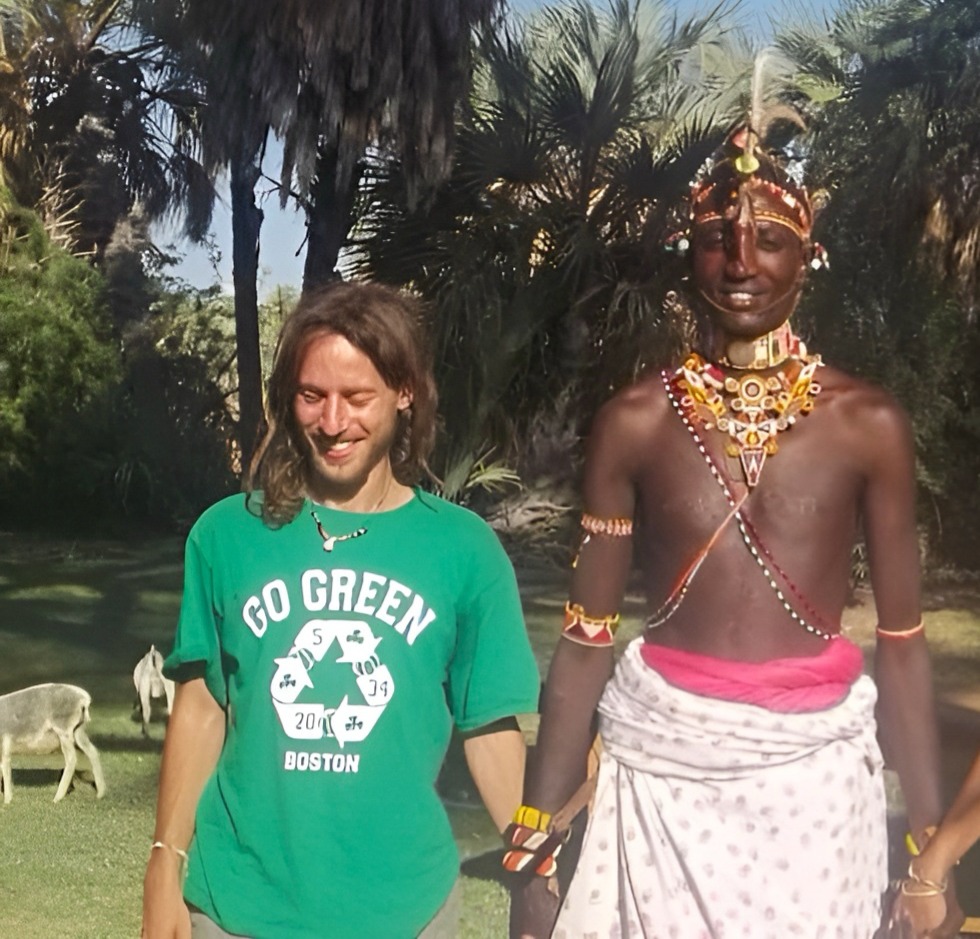
I finished my degree in 2010 and immediately left for East Africa, Ethiopia, Kenya, Tanzania, Malawi. Not a career move. A continuation of the searching.
The most transformative moment happened in the most desolate place I have ever been: Lake Turkana, in northern Kenya. No safety net. I traveled there by foot and camel, guided by local people.
We ended up in Loiyangalani, where we spent time with the Samburu tribe. I had long hair, and I introduced myself as a traveler from the Judea tribe, which they recognized from missionaries and Bible stories. It made sense to them. We became friends.
What struck me most was the music. The Samburu had no instruments at all. Everything came from the voice, one singer leading, the rest building rhythm and harmony around it. Then everyone would dance, the famous jumping-as-high-as-you-can dance that puts you into a trance. Men and women together. Pure music from nothing.
I did not have the word for it then, but what I experienced at Lake Turkana was the raw power of African musical tradition: collective, physical, trance-inducing.
Years later, when I heard a kora next to a sitar for the first time, something from that night at Lake Turkana came back to me. The connection was not intellectual. It was lived. Only later did I realize that this was the beginning of what I would call Afro-Raga.
I came home from Africa in early 2011. A few months later, the tents went up on Rothschild Boulevard.
The Summer Everything Changed
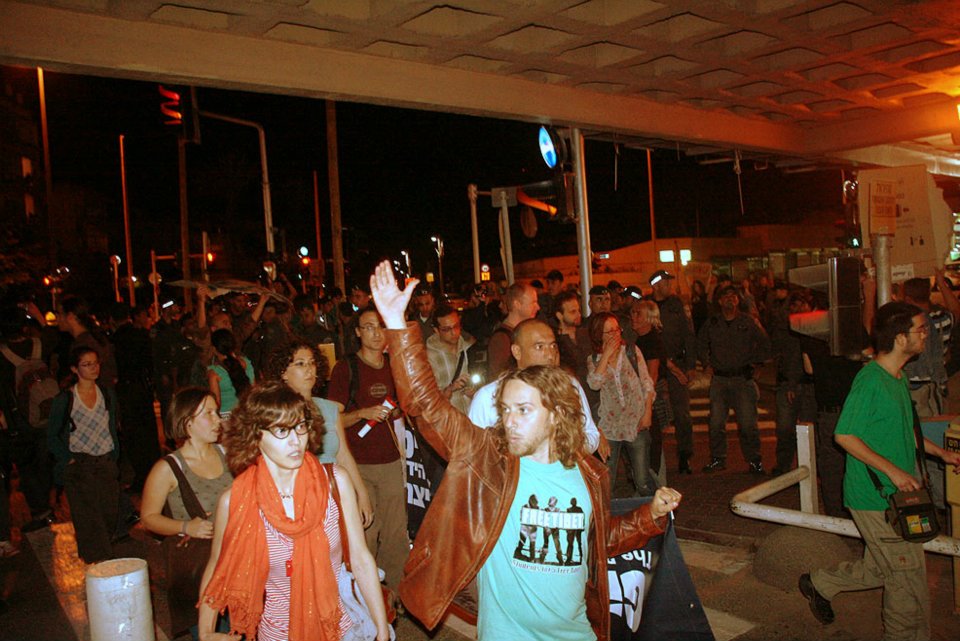
In the summer of 2011, Israel erupted. What began with a few tents on Rothschild Boulevard became the largest social protest the country had seen in decades. I was there from the beginning, and somehow found myself becoming one of the official representatives of the Rothschild tent camp.
During those weeks, the camp became a pilgrimage site for journalists. Reporters arrived on the boulevard, sat with us between the tents, and asked what we were actually trying to change here. That is how I found myself being interviewed again and again — by Globes, Ynet, and other journalists covering the protest.
At the same time we were also holding discussions with the Tel Aviv municipality, trying to find solutions for people who had begun living in the camp.
When the city started clearing the tents, some activists continued accompanying the homeless people who were suddenly left without anywhere to go. That is how what the media later called the “Wandering Rothschild Camp” was born — a group of about thirty homeless people and a handful of activists who slept in a different place in the city every night.
I kept telling reporters that the struggle would continue — with tents or without them.
But the moment that truly changed my life was not a negotiation or a press conference.
The Sukkah at Levinsky
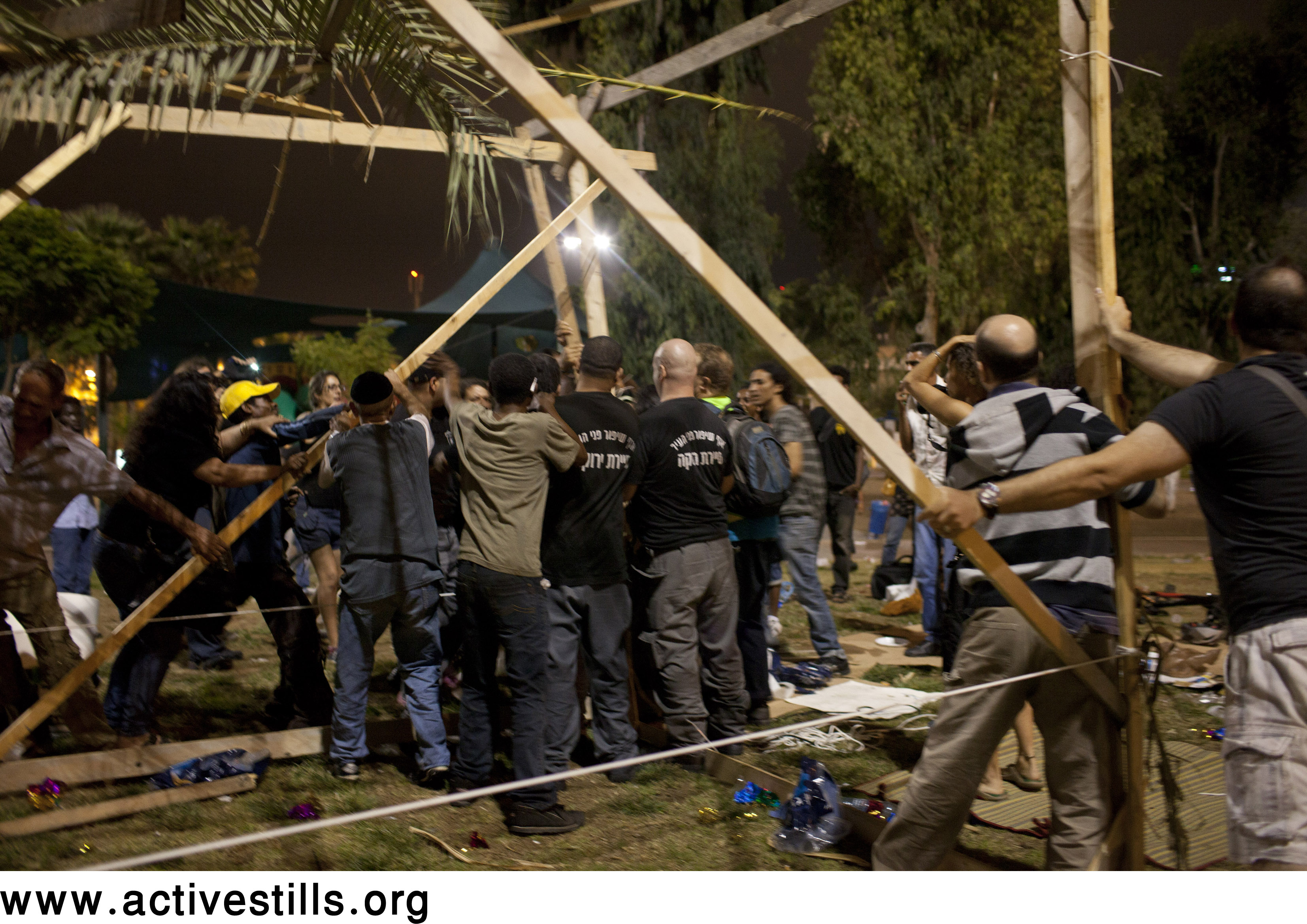
It was Sukkot, October 2011. We had tried to build sukkot, the traditional holiday shelters, in the public spaces where homeless people were sleeping. The city refused and sent inspectors to tear them down.
I sat down with my guitar in Levinsky Garden and started singing. "פקח פקח סרב פקודה, אל תקח להומלס ת'סוכה" - Inspector, inspector, refuse your orders, do not take the homeless man's sukkah.
A woman approached me. "You know," she said, "hearing you sing right now, it gives me chills."
Then I moved to the sukkah. And one by one, everyone joined the singing. For an hour, we sang it like a mantra. The authorities did not know what to do with us.
For one hour, a guitar held the space.
Then someone threw a Molotov cocktail at a police car, and the fragile moment shattered.
Afterward, Kobi Shacar, the leader of the Ethiopian protest group, came to me. He was a reggae singer. He looked at me and said:
"I was so wrong. You, with a guitar, were more powerful than all of us."
We started a band together. Lions of Zion, a reggae band, with me on bass - and my protest song "פקח פקח" took on a new life.
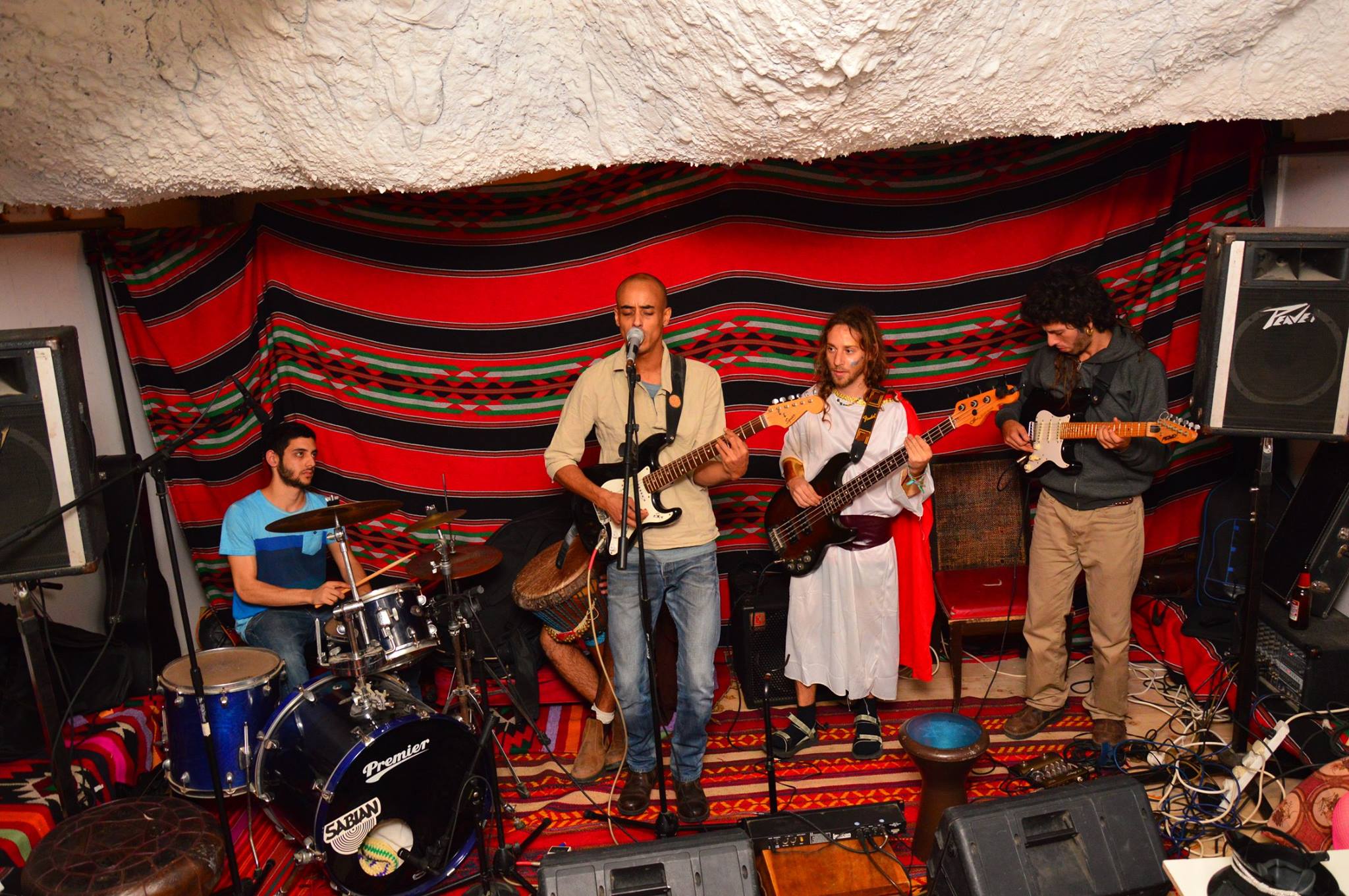
That was the moment I knew. Not that music was a nice thing to have alongside a technological career — but that music was my life. That I was a musician, not a programmer who happened to play on the side.
But understanding that was one thing. Living according to it was something else entirely.
To walk away from a stable life as a computer professional — a career that could have offered real financial security — in order to follow the uncertain path of a musician is a slightly crazy decision.
There are many moments of doubt. Moments when I ask myself whether I made a mistake.
Whether I should have chosen the simpler life.
Building What Does Not Exist
But the activist in me was not finished.
After the tents were cleared, I saw up close what happened to the homeless people left behind. At night, municipal inspectors confiscated blankets and sleeping bags from people sleeping in public gardens.
I also saw entire belongings — clothes, bags, blankets, and mattresses — thrown into a garbage pile at the Reading compound. I arrived there with a truck to rescue mattresses and sleeping bags so people would not freeze during the night.
Something in me — the activist part — refused to accept that this was simply the way things were.
I contacted the Association for Civil Rights in Israel. They filed a petition against the municipality.
The district court ruled that the city was not allowed to evict homeless people from public space or confiscate their sleeping equipment, except in exceptional cases. The decision can be read here.
The ruling triggered a wave of activity on the ground. Activists began organizing civil enforcement of the court decision and accompanying homeless people when inspectors arrived.
The city appealed.
And lost again — this time in the Supreme Court.
That ruling, Administrative Appeal 105/13, became a binding national precedent.
But if I’m completely honest, compared to the big aspirations of the 2011 social protest movement, it felt small. We managed to help a few people. Sometimes even to save someone from spending the night outside with nowhere to sleep. And that’s not a small thing. But against the scale of the problem, it was a drop in the ocean.
Those years also came with a real personal cost. The deep involvement in the struggle, and the daily encounters with so much hardship, pushed me into a long period of confusion and depression. More than one relationship broke under the weight of those years. It took time to step back, clear my head, and understand what I was taking with me from all of it.
That’s when I realized something about myself.
I’m not just someone who protests what is broken.
I try to build what doesn’t yet exist.
That instinct — to see what is broken and build what is missing — followed me from law into music.
But first, I had to return to something deeper than politics.
Something older.
Between Two Worlds (2013–2019)
After finishing my Master’s in 2013, my life settled into a specific rhythm. For the next six years, I lived what I can only describe as a half-time life.
On one side, I was a robotics expert and algorithm developer—a career that gave me stability and professional ground to stand on. On the other, I was sinking deeper into the oldest musical traditions of the East. I wasn’t the "struggling artist" stereotype; I had a foot in both worlds. But it was a slow crawl. While many of my peers accelerated down a single lane in the tech world, I was walking two paths at once.
In the mornings, I was in the lab. In the evenings, music became that place of dissolution.
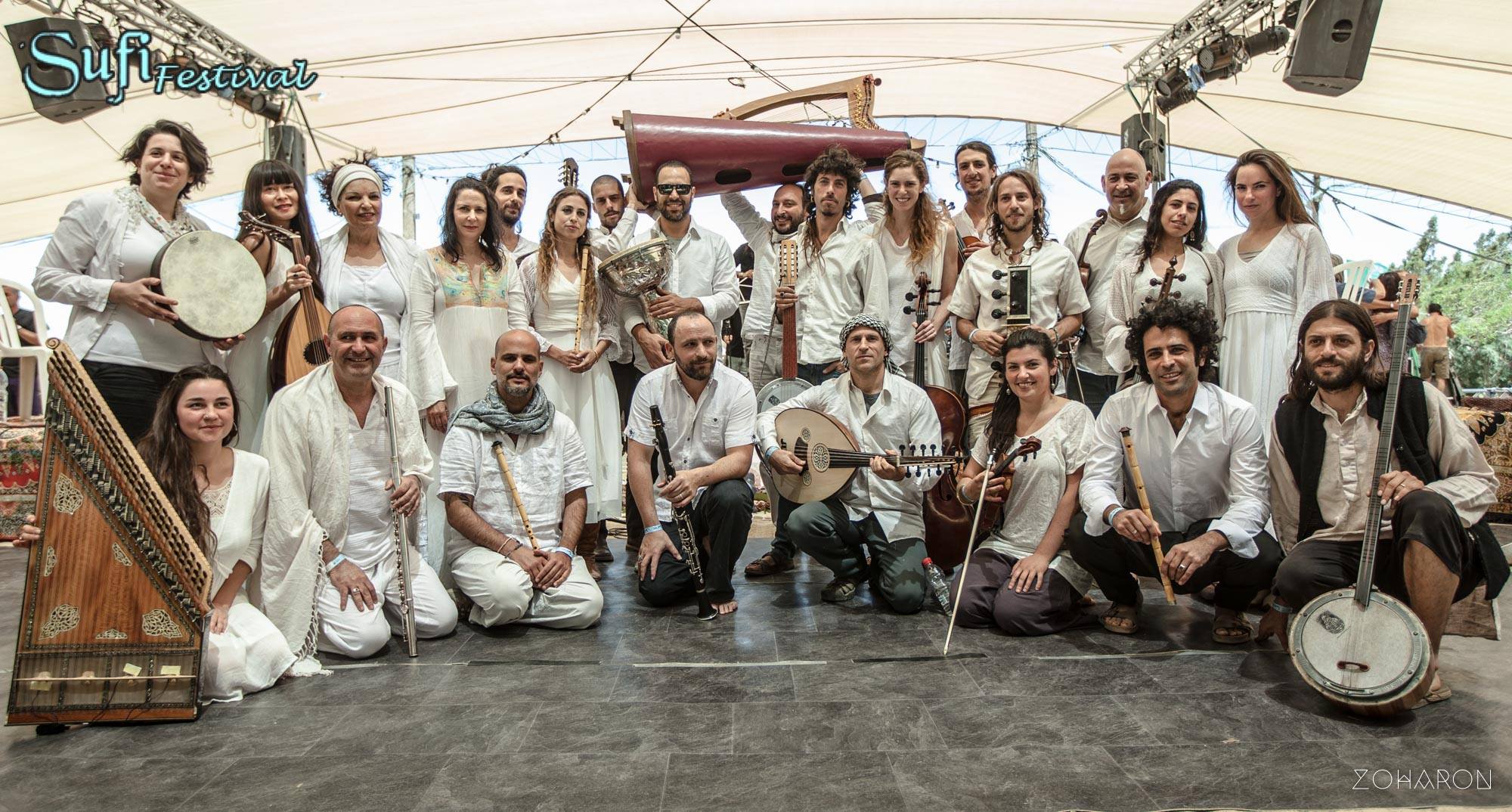
During that time, I joined Harel Shachal Sufi Orchestra, a 32-piece ensemble performing Ottoman Turkish classical and Sufi music. I was the sitar player in an ensemble of ouds, nais, kamanches, and duduks—an Indian instrument inside an Ottoman tradition. Even then, I found myself drawn to the spaces between musical worlds.
The ensemble performed a full one-hour Ein composition—a spiritual journey of dissolution rendered in Maqam Ushak. Thirty-two musicians breathing as one organism.
Meanwhile, I continued deepening my study of the sitar. I found my teacher, David Elkabir, of the Dagar Gharana lineage, one of the oldest and most rigorous schools of North Indian classical music. Under his guidance, I began to understand raga not as a scale but as a living entity—a melodic personality with its own moods, rules, and seasons.
Years later, during the COVID lockdowns, I would take classes directly with Bahauddin Dagar, the guru of my guru—the source of the lineage itself. And somewhere along the way, a rooftop in Tel Aviv became the birthplace of something new.
Masa, Before the Genre Had a Name
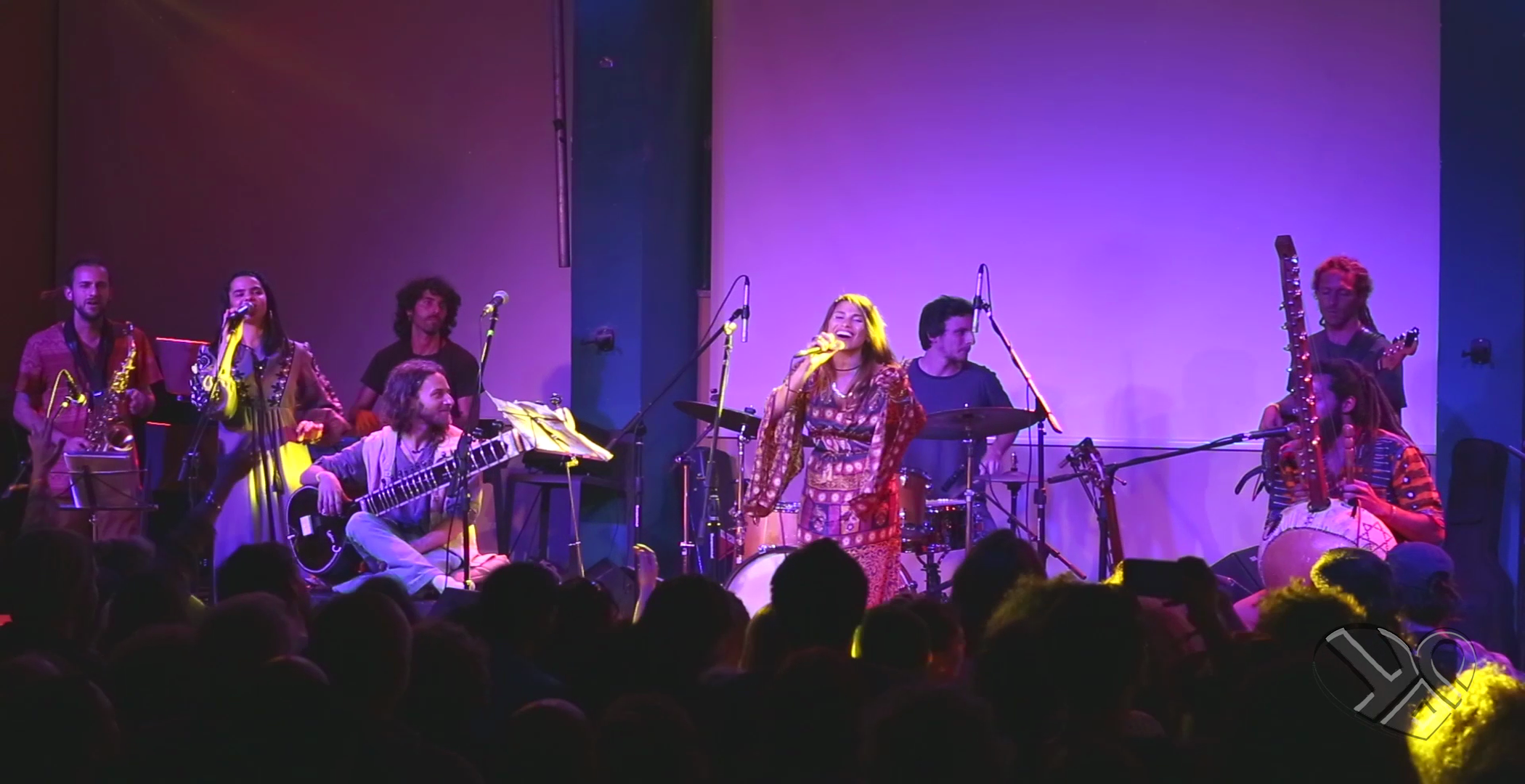
By 2016, those two versions of myself—the one who thought in algorithms and the one who lived in raga—finally collided on a rooftop in Tel Aviv.
Five musicians from completely different worlds started meeting in a small rooftop apartment. There was me on sitar, Tomer Yehieli on kora (the West African harp), Gili Sharabi on vocals, Roni Eder on percussion, and Matan Dorembus on bass.
We called ourselves Masa.
Maariv called us "the most refreshing Indian-African ensemble around, and they come from Tel Aviv." We were blending Indian raga with West African rhythms, Middle Eastern textures, and electronic elements—but we didn’t have a word for what we were doing. Not yet.
It took a few more years, a few more journeys, and a lot more listening before I understood that what I was hearing in the space between the sitar and the kora was not simply fusion. It was a dialogue.
Two ancient string traditions—Indian and West African—that had never truly spoken to each other before, despite centuries of trade and migration connecting them.
Something from that night with the Samburu at Lake Turkana had been waiting.
It clicked.
I called it Afro-Raga.
Two Years in India
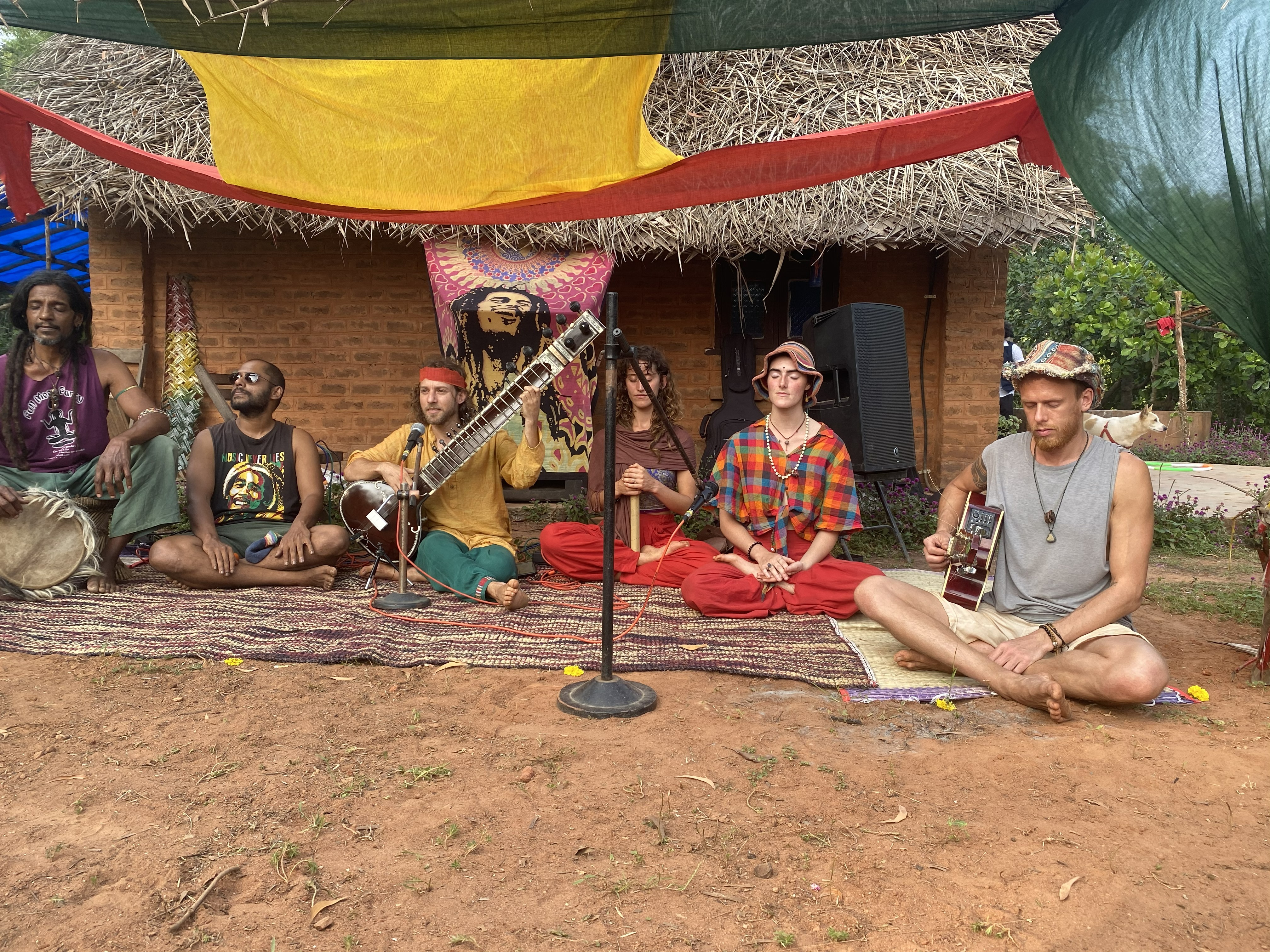
In 2019, after Masa ended and I grew tired of my day job, I did what I had been doing since I was twenty-one: I went to India. This time, I did not come back for two years.
I moved through Rishikesh, Parvati Valley, and eventually Auroville, the international community in South India. Then COVID hit. Borders closed. Movement stopped. For the first time in my life, I was not going anywhere.
So I did what I always do. I built something. During lockdown, I collaborated with every musician I could find. Katibim with a Turkish def player on the banks of the Ganges. Om Nama Shivaya with an Indian singer, which became my most viral video, with over 109,000 views. A Bob Marley cover with local Rastas. Somewhere Over the Rainbow on sitar in Kashmir. And a sitar rendition of Psalm 23, גם כי אלך בגיא צלמוות, an ancient Hebrew prayer given new breath through an Indian instrument, thousands of miles from Jerusalem.
Two songs from my upcoming album were born during those years. They were later revamped in an Israeli studio, but their soul is Indian.
And together with the Auroville community, I filmed and recorded a song called Freedom, a reminder of what freedom means, made at the exact moment when everyone on earth was feeling it taken away.
It was the same instinct that drove the protest songs a decade earlier. Something essential is under threat, so you pick up your instrument and you respond. The only difference was that in 2011 the instrument was a guitar in Levinsky Garden, and in 2020 it was a sitar in South India.
What If the Sitar Could Play Chords?
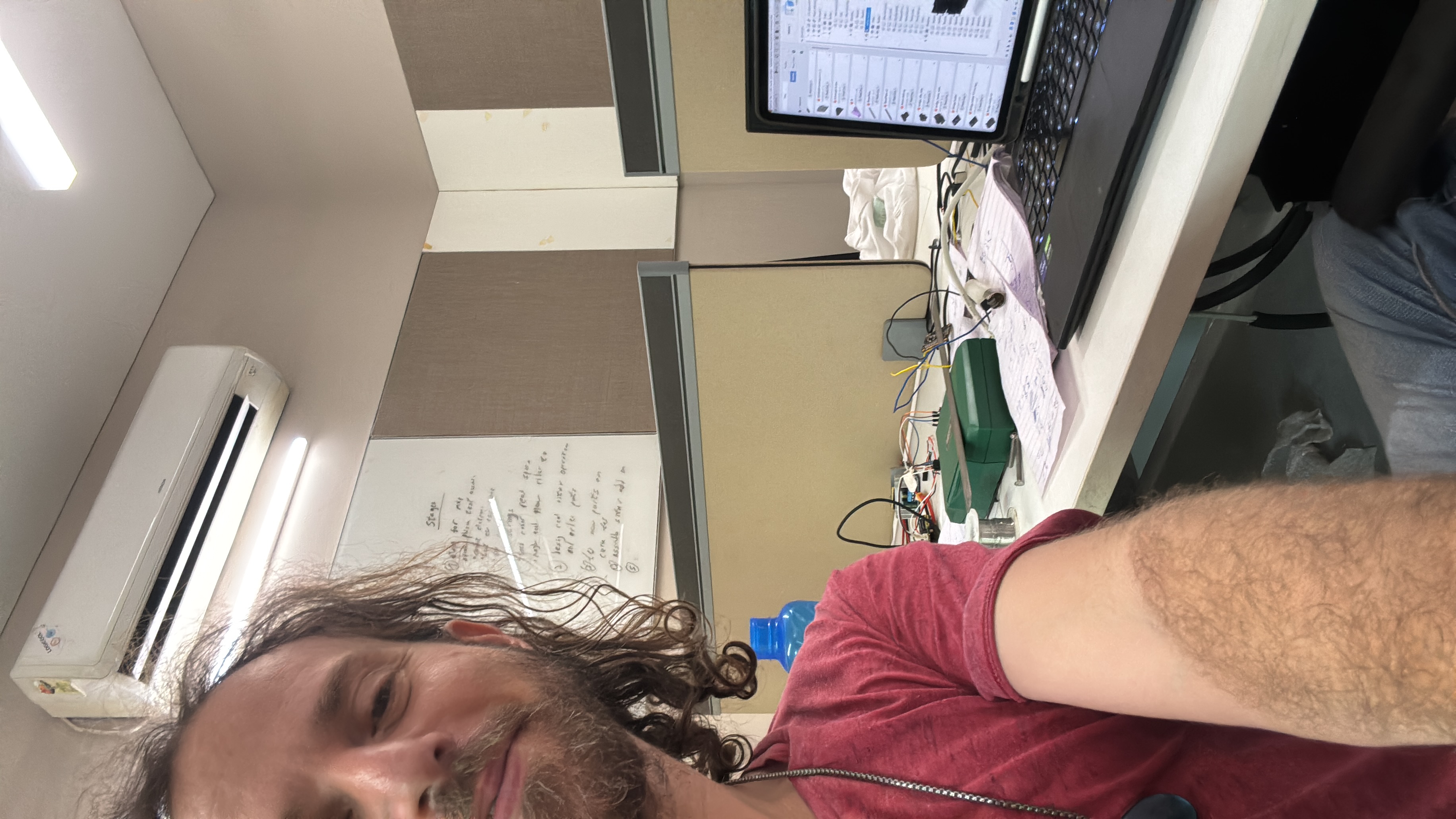
When the world reopened, I returned to Israel and tried to step back into a normal rhythm. I was performing again, working, and rebuilding a sense of balance after the strange stillness of the pandemic years.
Then, in late 2023, I left for what was supposed to be a short, one-month trip.
The war began.
Flights stopped, and I suddenly found myself stranded in Nepal, watching events unfold at home from thousands of kilometers away. In the middle of that chaos, I fell in love with someone whose world was supposed to be on the opposite side of mine. For a while, we lived inside a fragile bubble, checking the news of the war while trying to build something ordinary in a place where those borders did not seem to matter.
We survived on music and improvisation. We played wherever we could, blending Persian songs, Indian ragas, and Hebrew melodies—sometimes on stage, sometimes simply to create an hour of ground that did not feel like it was shaking.
But eventually, the weight of the outside world caught up with the fragile reality we had built.
When that chapter ended, I faced a choice. I could return to a safer path—or finally attempt the idea that had been circling in my mind for years: building the instrument I kept hearing in my head.
I chose the second.
For years, the programmer and mathematician in me had been quiet. He showed up occasionally, in the way I structured a setlist, in the obsessive precision of my raga practice, in the architecture of a website I built myself. But the two halves of my life still felt separate.
Then the sitar broke the wall between them.
The sitar has five drone strings that play a constant note. Traditionally, they are tuned before the performance and stay fixed. That works perfectly in Indian classical music, where the raga stays centered around one tonal universe.
But when I started playing with kora players, jazz musicians, and electronic artists, those fixed drones began to feel like a cage. Playing Afro-Raga raised another question: what if the sitar itself could follow those shifting harmonies?
And little by little, that question sharpened and turned into a more radical one: what if the sitar could actually play chords?
The truth is, this idea didn’t appear suddenly. It had been circling in my mind for years. Sometimes as a vague thought, sometimes as a sketch in a notebook. But for a long time it remained just that — a thought, something I might try to build one day.
Then, at some point, it stopped being a thought and became an obsession.
What if the drone strings could be controlled dynamically with the foot, while the hands kept playing? I called the idea the Harmonic Sitar: a traditional instrument with a robotic layer, controlled through a small floor keyboard.
I took the idea to Rikhi Ram, the greatest sitar maker in India. His family has been building sitars for generations. He looked at me and said: "You are a smart guy, but I am not sure this is realistic." I came back with a prototype and a design. He was turned on. His family has its own tradition of innovation. They had already created the Zitar, a sitar with electric guitar pickups.
Then came iCreate, an Indian research institute and startup accelerator. I presented the Harmonic Sitar at a conference. I even bought a suit for the occasion. A couple of months later, they called: "Come as a mentor. Work on your project. Take some funding." In parallel, I was collaborating with Kartikeya Vashist, a bansuri player, on a musical project, and touring with the Raga Fusion Project, an Indian band where I was the only Israeli, and the only one playing sitar while everyone else played Western instruments.
I spent two months at iCreate in what felt like a tech monastery, a room in nature, three meals a day, nothing to do but build.
There are moments, at 2 AM, when you sit in a lab and ask yourself: what am I doing? Why can I not be a normal person who goes to work in the morning? But after years of war and uncertainty, after watching how quickly everything can be taken away, building the Harmonic Sitar stopped being just a project. It became a lifeline. I have always believed something: better a spectacular failure than a life spent dreaming about things you never try.
I became a musician, only to realize I had to become an engineer again to build the instrument I needed.
Haaretz covered the story when I landed back in Israel after eight months, the sitar player who is also a robotics expert, returning from a journey that was equal parts musical and technological.
The Thread
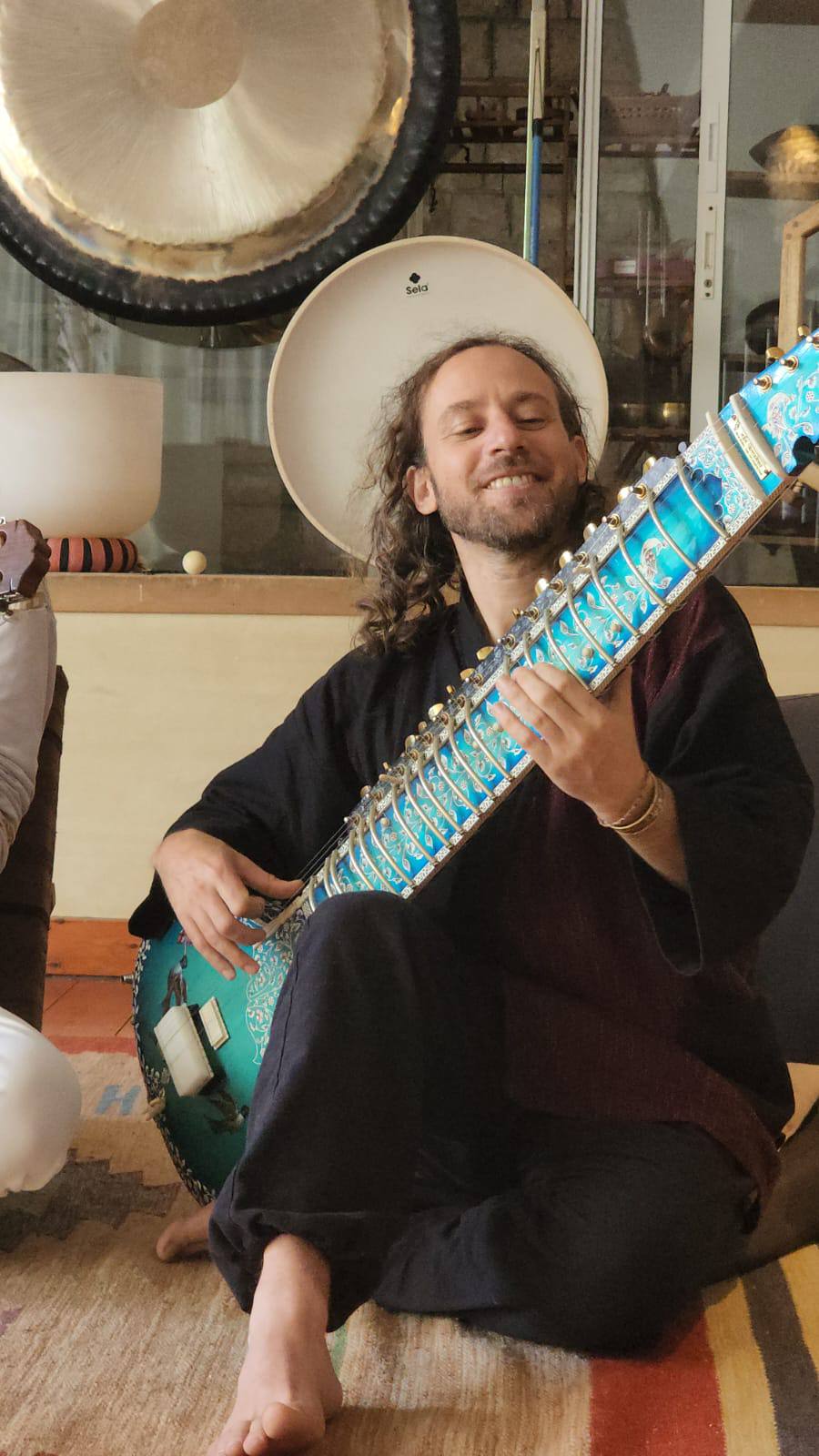
Looking back, the thread is obvious, even if I could not see it while I was living it.
At nine, a cello. At fourteen, a guitar and a line of code. At twenty-one, a sitar class in Dharamsala that changed everything. At twenty-five, dancing with the Samburu at Lake Turkana while they made music from nothing but their voices. At twenty-seven, a guitar that held off the authorities for an hour at Levinsky Garden, and a reggae singer who told me that music was more powerful than violence. A tent camp that became a Supreme Court precedent. An Arab ensemble that led to Ottoman Sufi music that led to Indian raga that led to West African kora that led to a genre that did not exist until I named it. A lockdown in India that produced a song about freedom. An engineer who became a musician who realized he needed to become an engineer again to build the instrument he heard in his head.
Every chapter began the same way: something was broken, or limited, or did not exist yet. And every chapter ended the same way: I built something.
The Harmonic Sitar is not finished. The components are stuck. The war has paused everything.
So I am building for the day after. This website. This story. The infrastructure for what comes next.
But the album is ready. Four tracks. Four worlds. And when the time is right, you will hear what happens when a mathematician picks up a sitar and refuses to accept its limitations.
Timeline
- 2006 - First trip to India. Discovers the sitar in Dharamsala.
- 2007-2010 - Mathematics and Computer Science degree at Ben-Gurion University. Plays sitar in Ensemble El Matruz.
- 2010 - East Africa journey. Lake Turkana and the Samburu tribe.
- 2011 - Rothschild tent camp. Levinsky Garden protest songs. Lions of Zion formed.
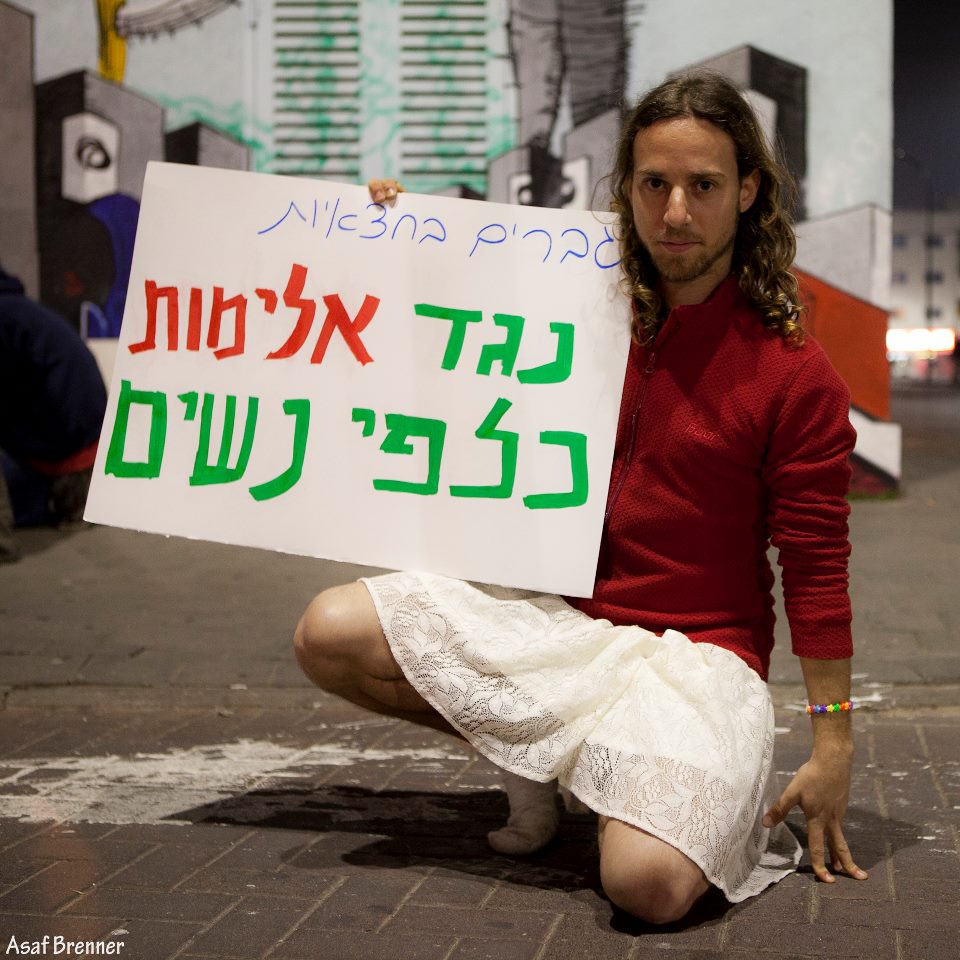
- 2011-2013 - ACLU petition becomes Supreme Court precedent in case עע"ם 105/13. Skirt protest against violence toward women.
- 2013-2016 - Musica Mizrach Ma'arav, a 32-piece Ottoman Turkish orchestra.
- 2016-2018 - Masa. Indian-African fusion before the genre had a name.
- 2019-2021 - Two years in India. Rishikesh, Parvati Valley, Auroville. Lockdown collaborations. Freedom recorded.
- 2024 - Harmonic Sitar development, iCreate residency, and Raga Fusion Project tour.
- 2025 - Haaretz feature. Return to Israel. Album completed.
- 2026 - Website and entity infrastructure. Building for the day after.
YoYo Sitar is the musical project of Yoav Fekete, an Israeli sitar player, composer, algorithm developer, and robotics specialist based in Zichron Yaakov. He is the creator of the Afro-Raga concept, a musical dialogue between Indian raga and West African string traditions, and the inventor of the Harmonic Sitar, a robotics-augmented sitar that allows chord playing through foot control. He studied under David Elkabir of the Dagar Gharana lineage. His debut album is forthcoming.
Featured in: Haaretz · Maariv · Globes · Ynet · Calcalist · Beit Avi Chai
Yoav playing cello as a child.